EC Wildlife Refuge Explore, Protect, and Connect with Nature

EC Wildlife Refuge

Explore, Protect, and Connect with Nature

Latest Articles

The Quiet Collapse: What Vanishing Pollinators Reveal About Ecosystem Health at EC Wildlife Refuge
Ecosystem Science

The Quiet Collapse: What Vanishing Pollinators Reveal About Ecosystem Health at EC Wildlife Refuge

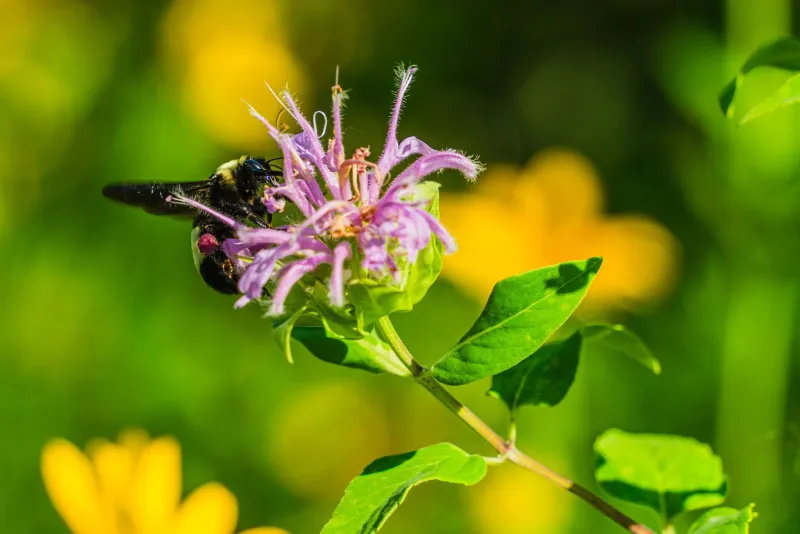
Native bees, butterflies, and other pollinators are disappearing at rates that alarm scientists across North America — and EC Wildlife Refuge is no exception to this troubling trend. Refuge ecologists are documenting population shifts that carry consequences far beyond the garden, touching everything from food web stability to long-term habitat viability. Understanding what is driving these declines, and what each of us can do about it, has never been more urgent.

Wired Underground: The Fungal Partnerships Quietly Sustaining EC Wildlife Refuge's Forests
Ecosystem Science

Wired Underground: The Fungal Partnerships Quietly Sustaining EC Wildlife Refuge's Forests

Beneath the leaf litter and root tangles of EC Wildlife Refuge's forests lies a communication and resource-sharing system so sophisticated it has reshaped how ecologists understand woodland resilience. Mycorrhizal fungal networks thread through the soil, linking trees of different ages and species in relationships that have persisted for hundreds of millions of years. Understanding these connections is changing how refuge scientists approach forest management and restoration.

Conservation & Community

The Emboldened Wild: Understanding and Managing Escalating Wildlife Encounters Near Your Home

When raccoons raid your kitchen or deer charge your dog, the instinct is to reach for a deterrent—but the deeper question is why these animals have grown so comfortable near human spaces in the first place. EC Wildlife Refuge's experience managing the complex boundary zones between wild and residential landscapes offers hard-won insight into the ecological forces driving these conflicts. Understanding those forces is the first step toward lasting, evidence-based solutions.

From Empty Skies to Thriving Canopies: How Strategic Habitat Work Is Bringing Birds Back to EC Wildlife Refuge
Conservation & Community

From Empty Skies to Thriving Canopies: How Strategic Habitat Work Is Bringing Birds Back to EC Wildlife Refuge

Over the past decade, EC Wildlife Refuge has implemented a series of targeted habitat restoration initiatives that have produced measurable recoveries in local bird populations. Through native plantings, wetland rehabilitation, and data-driven land management, the refuge offers a compelling model for reversing decades of avian decline. Visitors today encounter a soundscape that, not long ago, had fallen nearly silent.

Beyond the Fence Line: Why Wildlife Conservation at EC Wildlife Refuge Depends on the Surrounding Landscape
Ecosystem Science

Beyond the Fence Line: Why Wildlife Conservation at EC Wildlife Refuge Depends on the Surrounding Landscape

Protected areas like EC Wildlife Refuge are essential anchors for biodiversity, but the animals that depend on them rarely confine their movements to refuge boundaries. Understanding how wildlife navigates the broader landscape—crossing roads, farmlands, and suburban developments—is central to the refuge's conservation mission and its partnerships with neighboring landowners and regional initiatives. This is the science of connectivity, and it is reshaping how we think about what a refuge can an

Out of Step with the Seasons: What Shifting Migration Clocks Mean for EC Wildlife Refuge
Ecosystem Science

Out of Step with the Seasons: What Shifting Migration Clocks Mean for EC Wildlife Refuge

Decades of monitoring data from EC Wildlife Refuge reveal a troubling pattern: migratory species are arriving earlier, departing later, or bypassing traditional corridors altogether. When animals fall out of sync with the ecological rhythms that sustain them, the consequences ripple far beyond any single species. Refuge biologists are now racing to understand—and adapt to—a landscape that is changing faster than many of its inhabitants.

Fear, Function, and the Forgotten Role of the Refuge's Top Hunters
Conservation & Community

Fear, Function, and the Forgotten Role of the Refuge's Top Hunters

Apex predators are among the most misunderstood animals in the American landscape—feared, persecuted, and rarely appreciated for the ecological work they quietly perform. At EC Wildlife Refuge and across the broader ecosystems it supports, top carnivores are not simply dramatic members of the food web. They are its architects. This article makes the case that protecting these animals is not a matter of sentiment, but of ecological necessity.

The Architects of Balance: What Happens to an Ecosystem When Its Top Predators Disappear
Ecosystem Science

The Architects of Balance: What Happens to an Ecosystem When Its Top Predators Disappear

Top predators do far more than simply hunt—they sculpt landscapes, regulate populations, and sustain biodiversity in ways scientists are only beginning to fully understand. From the reintroduction of wolves in Yellowstone to the quiet work of raptors over open grasslands, the presence or absence of apex hunters sends ripples through every level of a food web. Understanding these dynamics is not merely an academic exercise; it is a foundation for informed conservation.

Out of Step with the Seasons: How a Warming Climate Is Disrupting Nature's Oldest Rhythms at EC Wildlife Refuge
Conservation & Community

Out of Step with the Seasons: How a Warming Climate Is Disrupting Nature's Oldest Rhythms at EC Wildlife Refuge

For thousands of years, the natural world operated on a finely tuned calendar—migrations, blooms, hatching cycles, and insect emergences timed to align with one another in a web of interdependence. Climate change is now disrupting those ancient rhythms, and the consequences for wildlife are becoming measurable and, in some cases, severe. At EC Wildlife Refuge, biologists are documenting these shifts in real time and working to understand what they mean for the species that depend on seasonal pre

Neighbors by Nature: A Homeowner's Guide to Living Alongside Urban Wildlife
Conservation & Community

Neighbors by Nature: A Homeowner's Guide to Living Alongside Urban Wildlife

As residential neighborhoods expand into natural habitats, encounters with raccoons, deer, coyotes, and other wildlife have become a daily reality for millions of American homeowners. Rather than viewing these interactions as nuisances, there is a growing body of evidence suggesting that thoughtful coexistence strategies benefit both people and animals. This guide explores humane deterrent methods, common mistakes to avoid, and how your own backyard observations can contribute to meaningful refu

Reclaimed Ground: The Surprising Science of Ecosystems Rising from Industrial Ruins
Ecosystem Science

Reclaimed Ground: The Surprising Science of Ecosystems Rising from Industrial Ruins

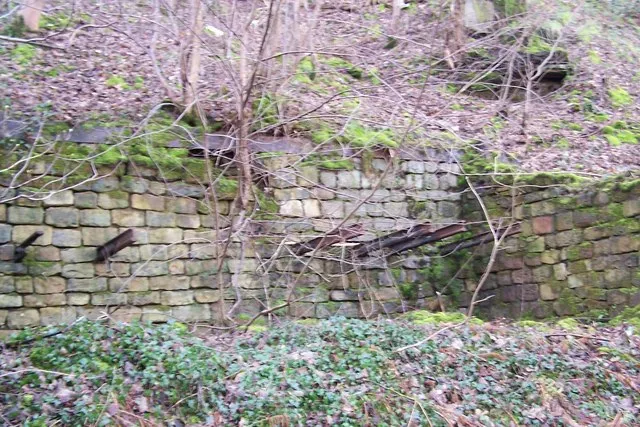
Across the United States, former industrial sites, abandoned rail yards, and contaminated brownfields are quietly undergoing one of ecology's most compelling transformations—spontaneous rewilding. Without deliberate planting or active management, these neglected landscapes are assembling themselves into functioning ecosystems that support remarkable biodiversity. The ecological science behind this phenomenon offers profound lessons about nature's resilience and challenges conservationists to ret

Bring the Refuge Home: How to Build a Native Plant Habitat Your Local Wildlife Will Actually Use
Conservation & Community

Bring the Refuge Home: How to Build a Native Plant Habitat Your Local Wildlife Will Actually Use

The landscapes that sustain wildlife at EC Wildlife Refuge do not have to end at the refuge boundary. By choosing native plants adapted to your region, homeowners can transform ordinary yards into functioning ecosystems that support birds, pollinators, and countless other species. This guide walks you through exactly how to get started — one plant at a time.

Signal and Sky: The Technology Revolutionizing Migratory Bird Research at EC Wildlife Refuge
Ecosystem Science

Signal and Sky: The Technology Revolutionizing Migratory Bird Research at EC Wildlife Refuge

Researchers at EC Wildlife Refuge are deploying GPS tags, acoustic sensors, and weather-surveillance radar to decode the ancient journeys of migratory birds with unprecedented precision. The data emerging from these efforts is challenging long-held assumptions about flight corridors, stopover behavior, and survival rates. What scientists are learning here is quietly reshaping conservation planning across the continent.

Beneath Your Boots: The Hidden World of Soil Life That Powers EC Wildlife Refuge
Ecosystem Science

Beneath Your Boots: The Hidden World of Soil Life That Powers EC Wildlife Refuge

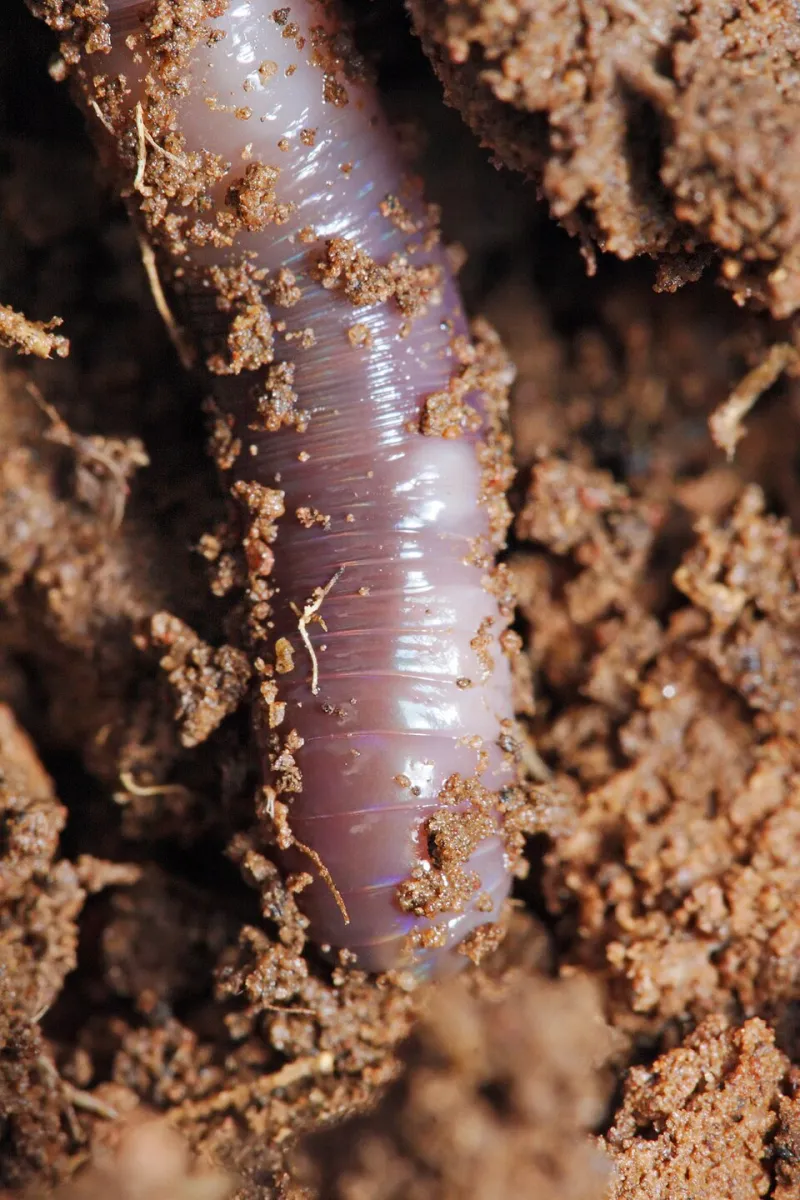
Long before a white-tailed deer steps into a meadow or a great blue heron wades into a wetland, an intricate community of organisms invisible to the naked eye has already done the essential work. At EC Wildlife Refuge, the soil beneath every trail and grassland is not merely dirt — it is a living, breathing foundation. Understanding what thrives underground helps us protect everything that flourishes above it.

Conservation & Community

Your Observations Matter: A Practical Guide to Joining EC Wildlife Refuge's Citizen Science Programs

You do not need a graduate degree or laboratory equipment to contribute meaningfully to wildlife conservation. At EC Wildlife Refuge, community members and visitors have supplied thousands of verified data points that directly inform how the refuge is managed — from monitoring migratory bird populations to tracking invasive plant spread. This guide explains exactly how to get involved, what projects are currently active, and why your observations carry genuine scientific value.