Reclaimed Ground: The Surprising Science of Ecosystems Rising from Industrial Ruins
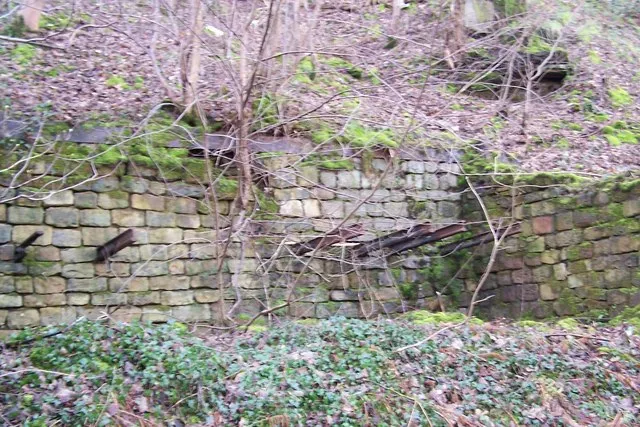
Photo: Terry Robinson, CC BY-SA 2.0, via Wikimedia Commons
There is a particular kind of silence that settles over an abandoned place. It is not the silence of emptiness—it is the silence of transition. Walk through a decommissioned steel mill site in Pennsylvania, a shuttered textile facility in the Carolina Piedmont, or a retired rail corridor threading through the Midwest, and you will find that nature has not waited for an invitation. Grasses push through cracked concrete. Willows colonize drainage channels. Peregrine falcons nest on rusted water towers. These landscapes, written off by industry and largely forgotten by policy, have become some of the most ecologically dynamic spaces in America.
The study of these spontaneous recoveries sits at the intersection of restoration ecology, urban ecology, and conservation biology—and the findings emerging from this field carry significant implications for how we understand ecosystem resilience, wildlife corridor design, and the future of habitat conservation in an increasingly developed nation.
The Ecology of Abandonment
When human activity ceases at an industrial site, a predictable but endlessly variable process begins. Ecologists refer to the early stages as primary or secondary succession, depending on the degree of disturbance. On severely contaminated ground—former smelters, chemical processing facilities, or heavily paved sites—the process resembles primary succession: pioneer species capable of tolerating harsh, nutrient-poor conditions establish first, gradually modifying the substrate in ways that allow more demanding species to follow.
On less severely altered ground, secondary succession proceeds more rapidly. Wind-dispersed seeds from pioneer plants like goldenrod, milkweed, and various native grasses arrive within the first growing season. These early colonizers stabilize soil, fix atmospheric nitrogen through root-associated microbes, and create the structural complexity—stem density, leaf litter accumulation, varying canopy heights—that invertebrates and small mammals require. Within five to ten years, shrub layer species begin to establish. Within twenty to thirty years on favorable sites, early-successional woodland can take hold.
What makes abandoned industrial landscapes particularly interesting to ecologists is their heterogeneity. A single brownfield may contain patches of compacted gravel, exposed bedrock, standing water in subsidence depressions, and deep organic accumulations in sheltered corners—all within a few acres. This mosaic of microhabitats supports a far wider range of species than any uniformly managed landscape could.
Case Studies in Unintended Recovery
The evidence for the ecological potential of abandoned industrial land is no longer anecdotal. Documented case studies from across the United States illustrate both the breadth of the phenomenon and the scientific principles that govern it.
The Calumet region of Chicago and northwestern Indiana—once the most intensively industrialized shoreline on the Great Lakes—has seen extraordinary wildlife recovery following the closure of steel mills that began in the 1970s and accelerated through the 1980s. Today, the area supports over 300 bird species during migration and nesting seasons, including threatened shorebirds that use the shallow wetlands that have reformed in former slag impoundments. The Calumet region is now recognized as one of the most significant migratory stopover sites in the interior of North America.
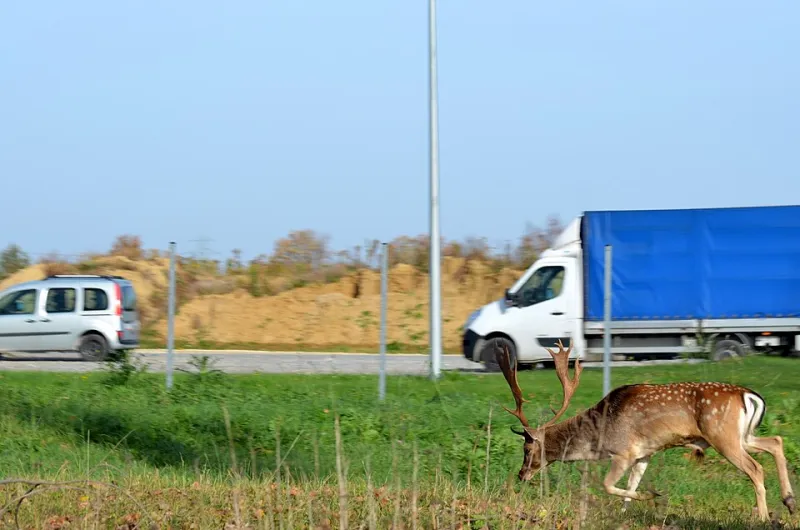
In the eastern United States, the rail corridors that once carried coal and manufactured goods through Appalachian communities have become linear wildlife corridors of considerable importance. As tracks were removed and right-of-way maintenance ceased, native shrubs and tree species reclaimed the disturbed margins. White-tailed deer, black bears, and bobcats now use these corridors to move between fragmented forest patches that would otherwise be isolated by development—a function that no amount of deliberate land acquisition has yet replicated at comparable scale.
Perhaps the most extensively studied example of industrial rewilding in America is the High Line in New York City, though its current form as a curated park obscures what it was before intervention: a self-assembled plant community of remarkable diversity that established on elevated rail infrastructure over roughly two decades of abandonment. Botanists who surveyed the site prior to its conversion documented over 160 plant species, many of them native, that had arrived without assistance.
What the Science Tells Us About Resilience
These recoveries are not accidents. They reflect fundamental ecological principles that have been documented and refined over more than a century of successional research. Chief among them is the concept of the species pool—the reservoir of organisms present in the surrounding landscape that are capable of colonizing available habitat. Sites situated within or adjacent to functioning natural areas tend to recover more rapidly and support greater biodiversity than isolated sites, because the colonizing species pool is larger and more intact.
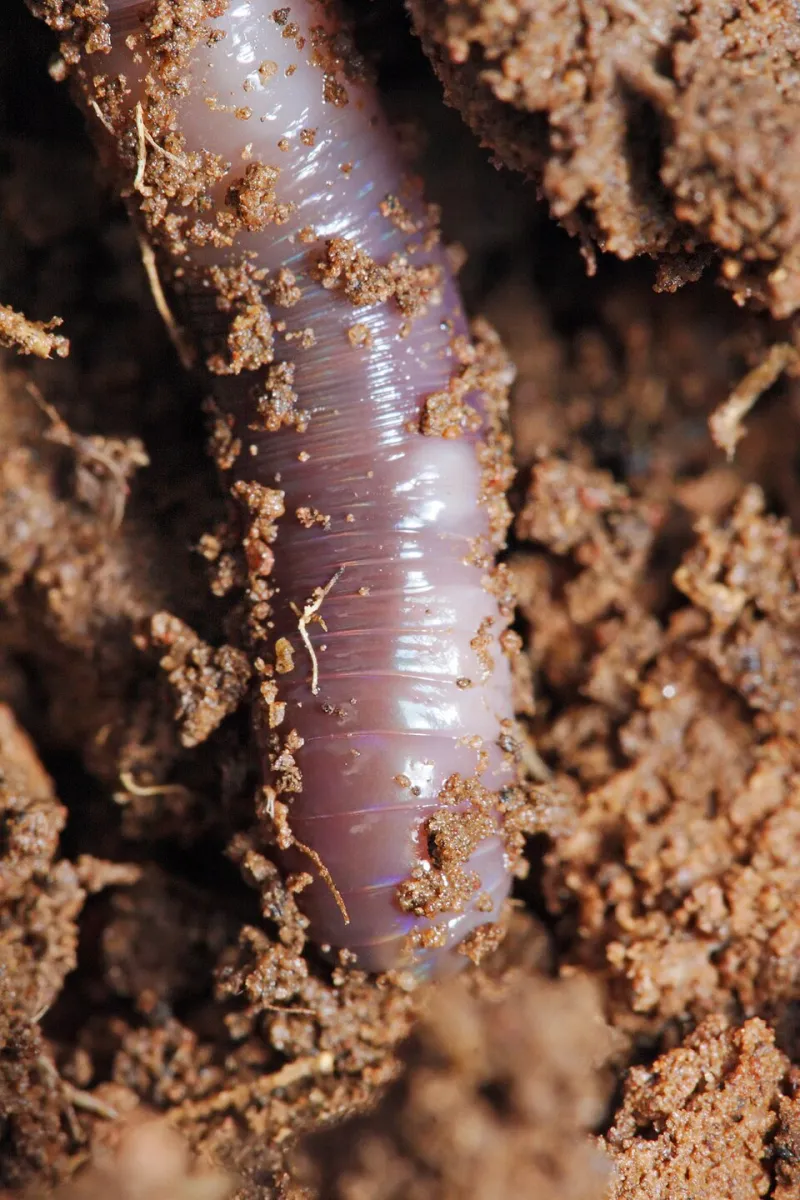
Soil microbial communities play an underappreciated role in this process. Research conducted at former industrial sites has demonstrated that even heavily disturbed soils retain viable populations of mycorrhizal fungi—organisms that form symbiotic relationships with plant roots and are essential to the establishment of many native species. The persistence of these microbial networks beneath apparently lifeless ground helps explain why plant communities on some abandoned sites recover faster than experimental restoration plantings on comparable substrates.
The concept of ecological memory is also relevant here. Landscapes retain biological and physical legacies of their prior conditions—seed banks, root fragments, residual soil structure—that influence the trajectory of recovery long after disturbance ceases. Understanding what a site's ecological memory contains is increasingly recognized as essential information for conservation planners deciding whether and how to intervene in natural recovery processes.
Implications for Conservation Planning
The rewilding of industrial and post-industrial landscapes does not occur without complication. Contaminated soils can bioaccumulate toxins in plant tissues and the animals that consume them. Invasive species—purple loosestrife, Japanese knotweed, common reed—are frequently among the earliest and most aggressive colonizers of disturbed ground, and their dominance can suppress native succession for decades. Monitoring and selective management remain necessary even on sites where the overarching goal is natural recovery.
Nevertheless, the conservation community's understanding of where viable wildlife habitat can exist has been permanently expanded by the evidence accumulating from these landscapes. The assumption that only pristine or actively restored land can function as meaningful habitat is no longer tenable. Brownfields, abandoned agricultural land, decommissioned military installations, and retired transportation corridors represent an enormous and largely unrecognized reserve of potential habitat—particularly in regions where land acquisition for traditional conservation purposes has become economically prohibitive.
At EC Wildlife Refuge, the ecological dynamics observed in recovering post-industrial landscapes inform how we think about connectivity, succession management, and the value of allowing natural processes to operate with minimal interference. The wildlife corridors that link our refuge to the broader regional landscape pass through a patchwork of land uses, including parcels that would not conventionally be described as habitat. Recognizing the ecological function these transitional spaces perform is essential to building a conservation strategy adequate to the scale of the challenges we face.
Reading the Landscape Differently
For refuge visitors and citizen naturalists, the rewilding of abandoned spaces offers an invitation to develop a more nuanced eye for ecological value. The overgrown lot at the edge of town, the weedy margin of a drainage ditch, the scrubby tangle colonizing a former parking area—these are not failures of maintenance. They are ecosystems in formation, assembling themselves according to principles that have operated for as long as life has existed on this continent.
Learning to read these landscapes—to recognize the stages of succession, identify the pioneer species, and appreciate the biological processes unfolding beneath an apparently chaotic surface—is one of the most rewarding skills a naturalist can develop. Nature, it turns out, requires very little permission to begin the work of restoration. It requires only the opportunity.