Beneath Your Boots: The Hidden World of Soil Life That Powers EC Wildlife Refuge
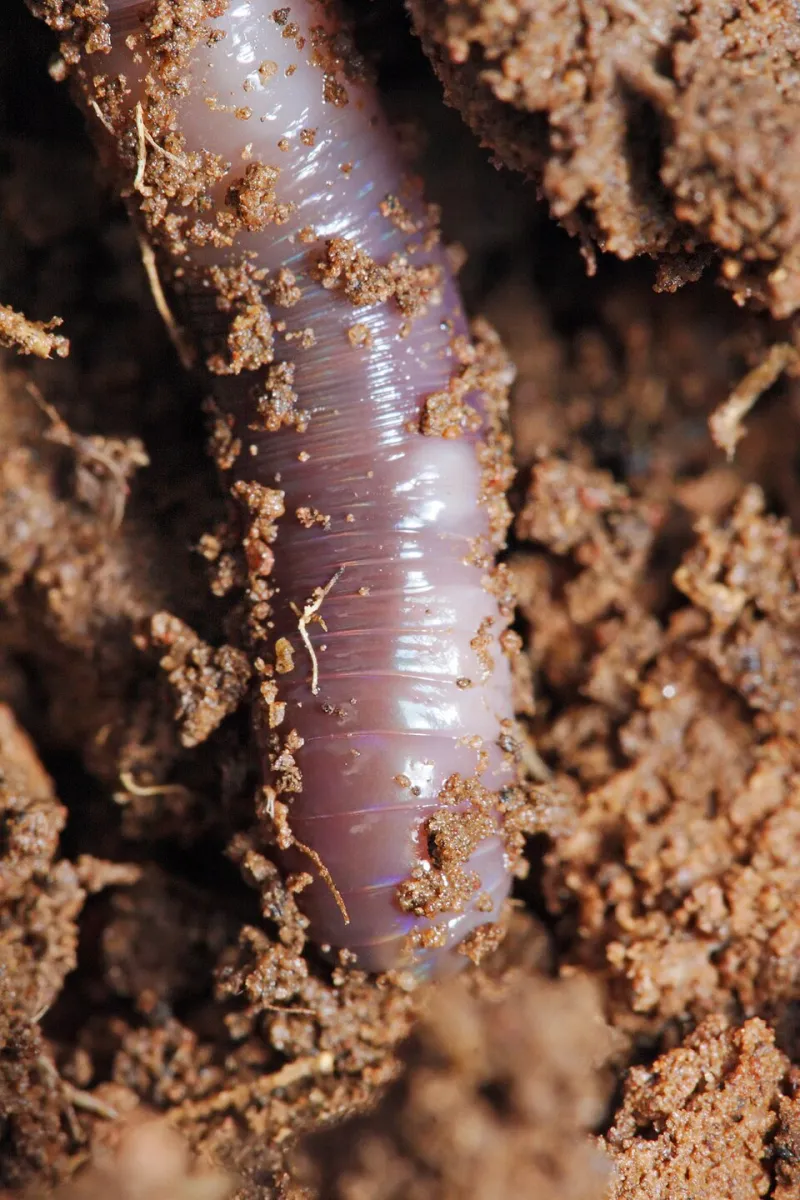
Photo: Unknown, GFDL 1.2, via Wikimedia Commons
Long before a white-tailed deer steps into a meadow or a great blue heron wades into a wetland, an intricate community of organisms invisible to the naked eye has already done the essential work. At EC Wildlife Refuge, the soil beneath every trail and grassland is not merely dirt — it is a living, breathing foundation. Understanding what thrives underground helps us protect everything that flourishes above it.
A Universe Measured in Microns
Consider this: a single teaspoon of healthy refuge soil may contain as many as one billion bacteria, several yards of fungal threads, and thousands of nematodes. These figures, confirmed through soil sampling conducted at EC Wildlife Refuge in partnership with regional university extension programs, are not anomalies. They represent the baseline vitality of a functioning ecosystem.
Refuge ecologist Dr. Marlene Okafor, who has spent more than a decade studying soil biology across mid-Atlantic conservation lands, describes the underground community as "the most underappreciated wildlife habitat on the property." According to Dr. Okafor, the microbial layer — comprising bacteria, archaea, fungi, and protozoa — is responsible for cycling nearly all of the nutrients that feed refuge vegetation. "Without those organisms breaking down organic matter and releasing nitrogen, phosphorus, and carbon back into the soil matrix, you simply do not get the plant diversity that supports everything else visitors come here to see," she explains.
Fungal networks deserve particular attention. Mycorrhizal fungi form symbiotic relationships with the root systems of most refuge plant species, extending the effective reach of roots by hundreds of times. In exchange for sugars produced through photosynthesis, fungi deliver water and minerals from soil zones roots cannot access on their own. This partnership, ancient in evolutionary terms, is one reason the refuge's native oak stands and wildflower meadows remain productive even in dry summers.
The Earthworm's Quiet Labor
Among the larger soil inhabitants, earthworms perform work that is deceptively straightforward but ecologically profound. As they move through the soil column, earthworms physically break apart compacted layers, creating channels that allow rainwater to infiltrate rather than run off. Their digestive processes transform partially decomposed plant matter into castings — a form of organic material that is measurably richer in available nutrients than the surrounding soil.
Refuge field technician James Whitfield, who monitors invertebrate populations across the refuge's diverse habitat zones, notes that earthworm density varies significantly by land-use history. "In areas where we've been actively restoring native plant cover for five or more years, we consistently find higher earthworm counts compared to sections that were previously farmed or disturbed," Whitfield says. "It's one of the clearest indicators that a restoration site is moving in the right direction."
It is worth noting, however, that not all earthworm species present in North American soils are native. Several European species, introduced centuries ago through agricultural activity, have become widespread across the eastern United States. While these species contribute to decomposition, refuge managers carefully monitor their distribution in forested areas, where research suggests that non-native earthworms can alter leaf litter dynamics and affect native plant regeneration.
How Soil Health Connects to Visible Wildlife
The link between underground biology and the animals visitors observe at EC Wildlife Refuge is more direct than many people realize. Songbirds such as American robins and wood thrushes depend on earthworm populations as a primary food source during nesting season. Amphibians, including the spotted salamander and wood frog populations documented within refuge boundaries, require loose, moist, biologically active soil for burrowing and overwintering. Even the refuge's pollinator communities are tied to soil health: many native bee species, including ground-nesting bumblebees and mining bees, excavate nest chambers in well-structured, uncompacted earth.
Dr. Okafor points to a 2021 vegetation survey as a concrete example of these connections. Plots with the highest recorded soil microbial biomass also supported the greatest diversity of native wildflowers, which in turn attracted the highest counts of monarch butterflies and native bees during summer monitoring sessions. "The data keeps pointing us back underground," she says. "Healthy soil is not a prerequisite for one or two species. It is a prerequisite for the whole system."
Threats Facing Refuge Soils
Despite the refuge's protected status, soil communities face ongoing pressures. Compaction from foot traffic along informal, unmaintained paths reduces pore space and limits the oxygen supply that aerobic soil organisms require. Invasive plant species, including Japanese knotweed and garlic mustard — both present in portions of the refuge — alter soil chemistry through root exudates, suppressing native microbial communities and reducing the diversity of organisms that decompose organic matter.
Pesticide drift from adjacent agricultural land represents an additional concern. Sublethal concentrations of certain herbicides and fungicides have been shown in peer-reviewed research to reduce mycorrhizal colonization rates and disrupt bacterial community composition. Refuge staff work closely with neighboring landowners and state agricultural agencies to minimize these inputs near refuge boundaries.
What Visitors and Neighbors Can Do
The good news is that individual actions — particularly in residential yards and gardens adjacent to the refuge — can meaningfully support regional soil health. Refuge staff and ecologists recommend the following practices:
Minimize soil disturbance. Tilling and digging disrupt fungal networks and expose soil carbon to rapid oxidation. Where possible, adopt no-till or low-till gardening approaches and allow leaf litter to remain on the ground through winter.
Reduce or eliminate synthetic pesticide and fertilizer use. Synthetic nitrogen fertilizers, while effective at boosting plant growth, can suppress the microbial communities that naturally cycle nutrients. Organic compost applications support biological activity without these side effects.
Plant native species. Native plants have co-evolved with local soil organisms. Their root structures and chemical profiles support the specific microbial communities that keep regional soils productive.
Stay on designated trails. Within the refuge itself, remaining on marked paths protects soil structure in sensitive habitat areas and prevents the compaction that degrades underground communities over time.
Compost organic waste. Returning kitchen scraps and yard waste to the soil through composting replenishes the organic matter that soil organisms depend upon as their primary energy source.
An Invitation to Look Closer
EC Wildlife Refuge offers periodic guided soil ecology walks led by refuge naturalists, during which participants examine soil cores, observe earthworm activity, and learn to identify the physical characteristics of biologically healthy soil. These programs are open to visitors of all ages and require no prior scientific background.
The wilderness that draws people to this refuge — the rustling grasses, the calling birds, the flowering meadows — is ultimately a surface expression of something far older and more complex working quietly below. When we protect the soil, we protect everything built upon it. That is not a metaphor. It is ecology.