From Empty Skies to Thriving Canopies: How Strategic Habitat Work Is Bringing Birds Back to EC Wildlife Refuge
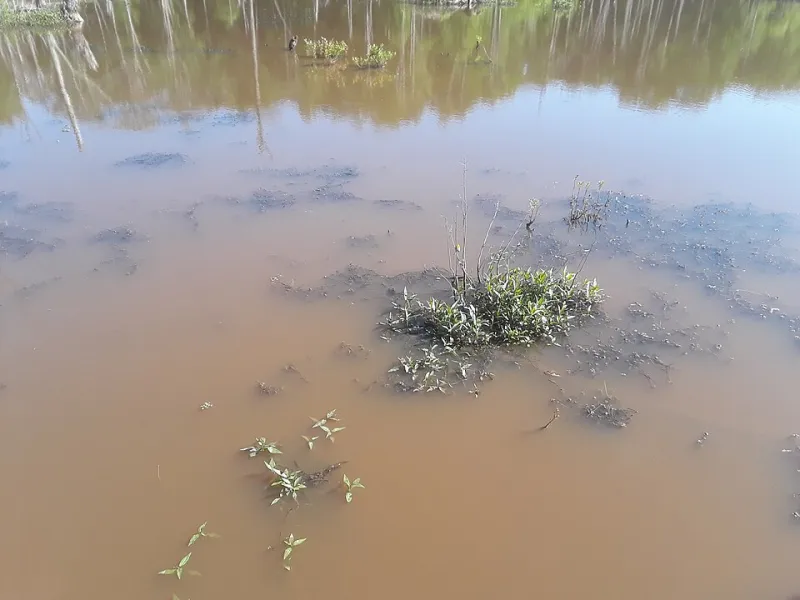
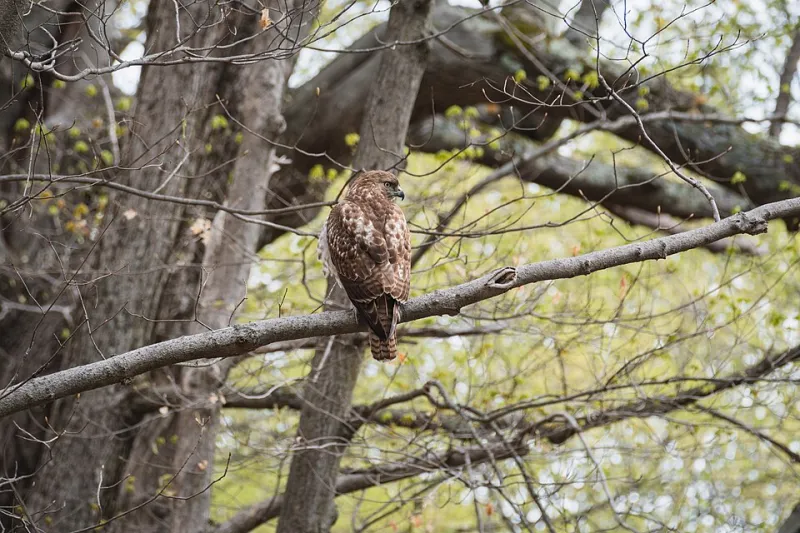
Photo: Ser Amantio di Nicolao, CC BY-SA 4.0, via Wikimedia Commons
There is a particular kind of silence that conservation biologists have come to dread—not the peaceful quiet of a forest at rest, but the absence of birdsong that signals something has gone deeply wrong. Across North America, that silence has been spreading. According to research published in Science, the continent has lost roughly three billion birds since 1970, a staggering 29 percent reduction across nearly all species groups. Grassland birds, aerial insectivores, and migratory songbirds have been among the hardest hit.
At EC Wildlife Refuge, staff and partners refused to accept that trajectory as inevitable. Over the past ten years, a coordinated series of restoration projects has begun to reverse those losses in measurable, documented ways—returning color and song to landscapes that had grown increasingly quiet.
Understanding What Was Lost
Before restoration could begin, refuge ecologists needed to understand precisely what had changed. Historical survey records, dating back several decades, revealed a landscape that once supported robust populations of species now considered regionally scarce: bobolinks nesting in upland meadows, wood thrushes moving through the understory, and large flocks of migrating warblers pausing in the canopy during spring and fall.
The causes of decline were not mysterious. Habitat fragmentation, the conversion of native grasslands and shrublands to monoculture agriculture, and the widespread suppression of natural disturbance regimes had collectively degraded the structural complexity that birds depend on. Add to that the collapse of insect populations—themselves driven by pesticide use and the loss of native plant diversity—and the food web supporting many bird species had been quietly unraveling for years.
"When you lose the insects, you lose the birds that eat them," explained one refuge wildlife biologist during a recent habitat assessment walk. "It sounds simple, but restoring that relationship requires working at every layer of the ecosystem simultaneously."
The Restoration Toolkit
EC Wildlife Refuge has approached bird recovery not as a single intervention but as a layered, adaptive strategy. Several initiatives have proven particularly effective.
Native Meadow and Grassland Restoration
One of the most impactful projects has been the conversion of degraded, non-native grassland areas into diverse native meadow communities. Refuge staff and volunteers have removed invasive cool-season grasses and replanted with native warm-season species—big bluestem, Indian grass, and a rotating mix of native forbs—that provide both nesting structure and insect habitat. These meadows are now managed with periodic prescribed burns and delayed mowing schedules timed to protect ground-nesting birds during the breeding season.
The results have been encouraging. Bobolink pairs, absent from refuge records for more than fifteen years, returned to nest in the restored meadows within three seasons of the first planting. Field sparrow and eastern meadowlark populations have shown similar upward trends in annual breeding bird surveys.
Wetland Rehabilitation
Several acres of degraded wetland margin along the refuge's interior waterways have been restored through the removal of invasive phragmites and the reestablishment of native emergent vegetation. These areas now support nesting habitat for red-winged blackbirds, Virginia rails, and—in a development that genuinely surprised refuge staff—a pair of least bitterns, a species of conservation concern in many US states.
Wetland restoration also benefits migrating shorebirds that require shallow mudflat habitat during their long journeys. By managing water levels through a system of control structures, refuge staff can create optimal conditions at key points in the migration calendar, effectively turning the refuge into a reliable refueling stop along the Atlantic flyway.
Shrubland and Forest Edge Management
Many declining bird species—including brown thrashers, yellow-breasted chats, and American woodcocks—depend on early successional shrubland habitat that has become increasingly rare as forests mature and open lands are developed. EC Wildlife Refuge now actively maintains shrubland patches through selective cutting and native shrub plantings, creating the dense, tangled vegetation these species require for nesting and foraging.
Forest interior habitat has also received attention. The removal of invasive shrubs such as Japanese barberry and multiflora rose from the refuge's woodland areas has allowed native ground cover to reestablish, improving conditions for forest-floor nesting species and the invertebrate communities they depend upon.
Measuring Progress
Restoration without monitoring is guesswork. EC Wildlife Refuge conducts annual breeding bird surveys using standardized point-count methodology, participates in regional eBird data-sharing platforms, and has equipped a growing network of acoustic monitoring stations that record and analyze bird vocalizations throughout the year. This data infrastructure allows staff to track population trends at the species level and to evaluate which restoration treatments are producing the greatest returns.
Over the past decade, the refuge's cumulative bird species count during the breeding season has increased by approximately 22 percent. More significantly, several species flagged in regional conservation assessments as declining have shown positive population responses within refuge boundaries—a finding that has attracted interest from partner organizations and state wildlife agencies.
What Visitors Can Witness
For those who explore EC Wildlife Refuge today, the recovery is tangible. Early-morning walks along the restored meadow trails during May and June now yield the distinctive bubbling song of bobolinks overhead. Dawn surveys in the wetland margins produce the resonant pumping call of American bitterns. The shrubland loops, once quiet, ring with the emphatic songs of gray catbirds and common yellowthroats.
The refuge's guided birding programs, offered seasonally, provide visitors with context for what they are hearing and seeing—connecting individual observations to the larger story of landscape recovery. Staff naturalists encourage visitors to document their sightings through eBird, contributing to the long-term dataset that informs ongoing management decisions.
A Model Worth Replicating
The work underway at EC Wildlife Refuge does not exist in isolation. It draws on decades of applied conservation research and benefits from partnerships with regional land trusts, university extension programs, and federal agencies. But it also demonstrates something that can be easy to lose sight of amid discouraging continental-scale statistics: intentional, science-guided habitat management works.
Birds do not require perfection. They require structure, food, and space to complete their life cycles. When those elements are restored with care and consistency, the response can be swift and audible. The returning songs at EC Wildlife Refuge are not merely pleasant background noise—they are evidence that the damage of recent decades is not permanent, and that recovery, given the right conditions, is possible.